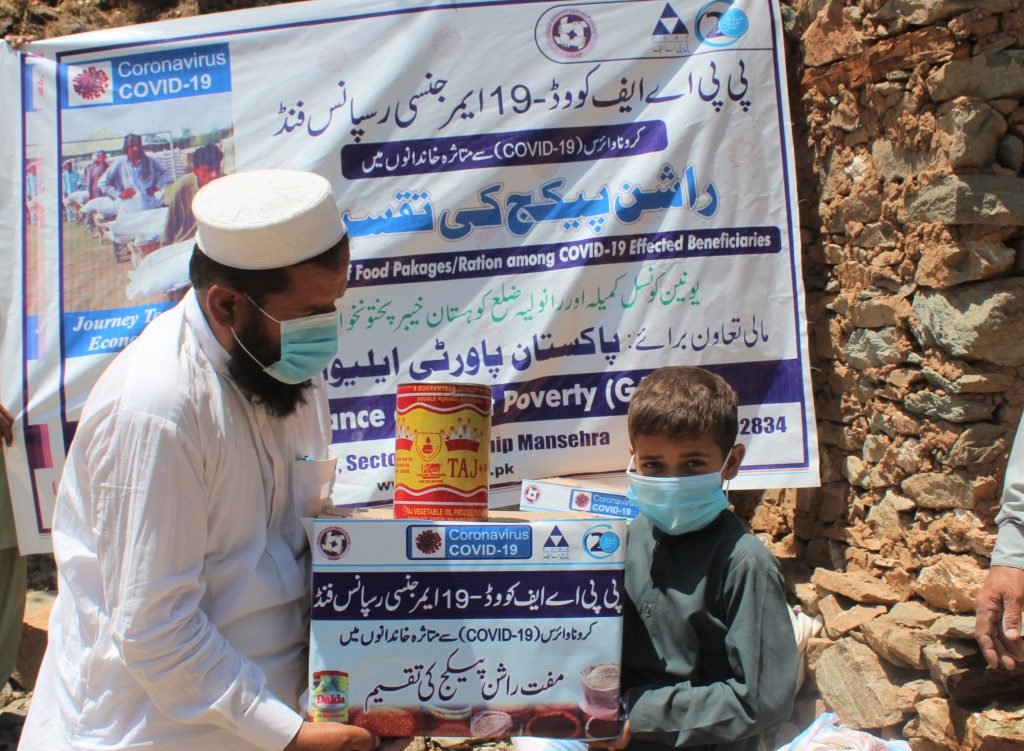
In the last few decades, Pakistan has faced natural hazards such as flooding, earthquakes and landslides that have escalated into humanitarian disasters, with the loss of lives, homes and livelihood. Apart from this, general risks such as drowning, fire, snake/insect bite, road accidents and electrocution are some of the common causes of child suffering and deaths in the country. A community’s ability to prepare for and cope with natural hazards can prevent disasters and save lives. But an unprepared community is unable to cope, resulting in massive loss of life and the undermining of decades of social and economic progress, especially for children.
Natural hazards in Pakistan are likely to increase as a result of climate change and environmental degradation. More extreme weather events, coupled with poor preparedness in communities, can only increase the risks of humanitarian disasters.
Monitoring, forecasting and early warning of natural hazards in Pakistan needs to be sufficiently matched by disaster risk reduction (DRR) measures to equip communities with the knowledge and skills they need to protect themselves.
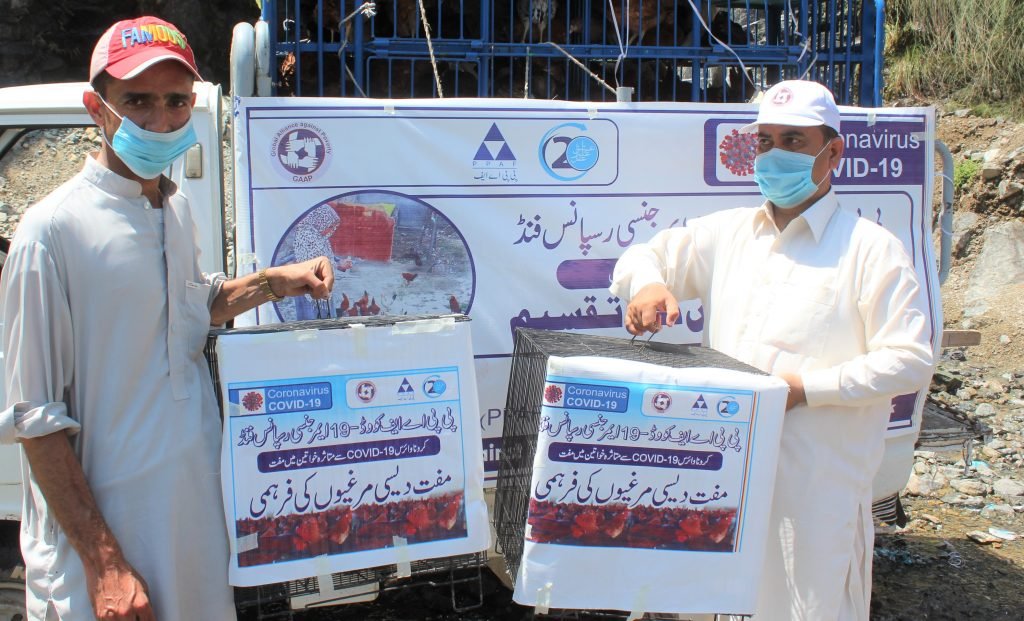
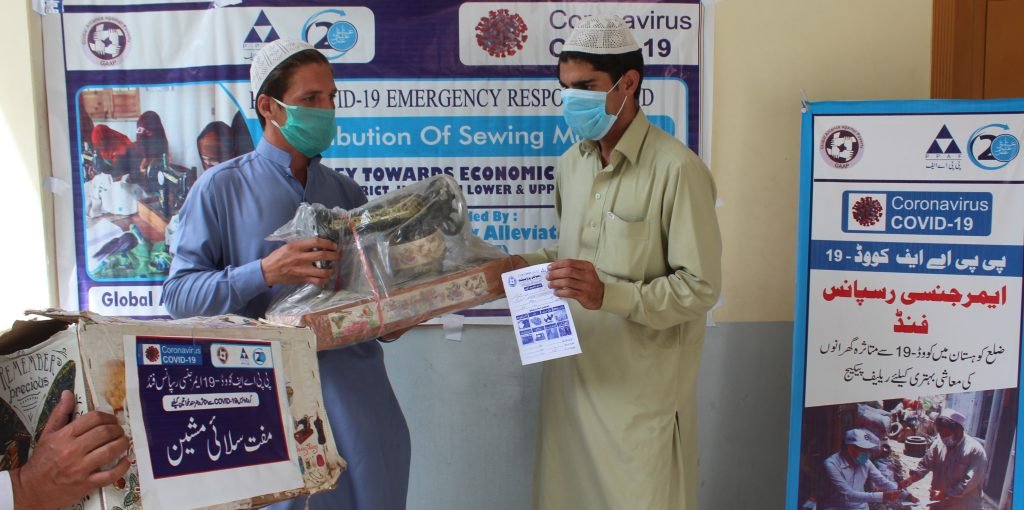
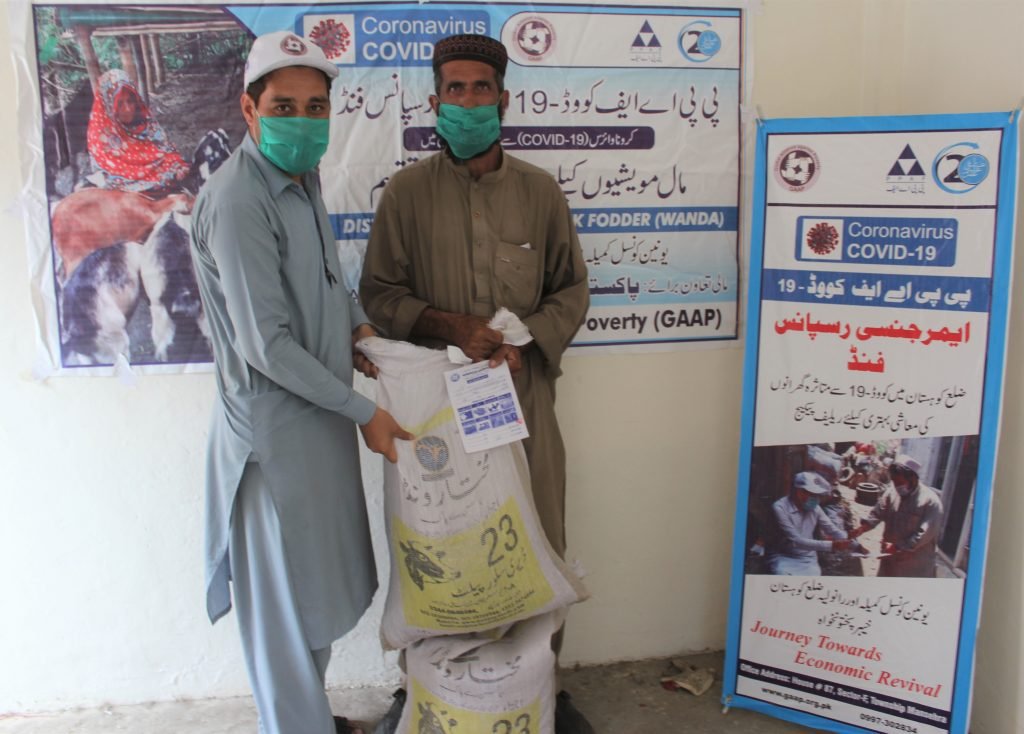
33 Million people have been affected with over 1 Million homes destroyed or damaged by floods. One third of the country is under water with 800,000 livestock lost, a critical source of sustenance for families; livelihoods have been significantly affected. As Pakistan has been hit by excessive rainfalls, with the monsoon starting a month earlier with 3 times higher rainfall than the 30-year average
DRM and Climate Change is on one of the core integrated approach in every project intervention. We have professional team and management having relevant education and expertise to provide services in emergency situations. GAAP management and team members having working experience in 2005 earth quake emergency, 2010 flood emergency response and 2022 flood emergency response in KPK, Sindh and Balochistan regions.
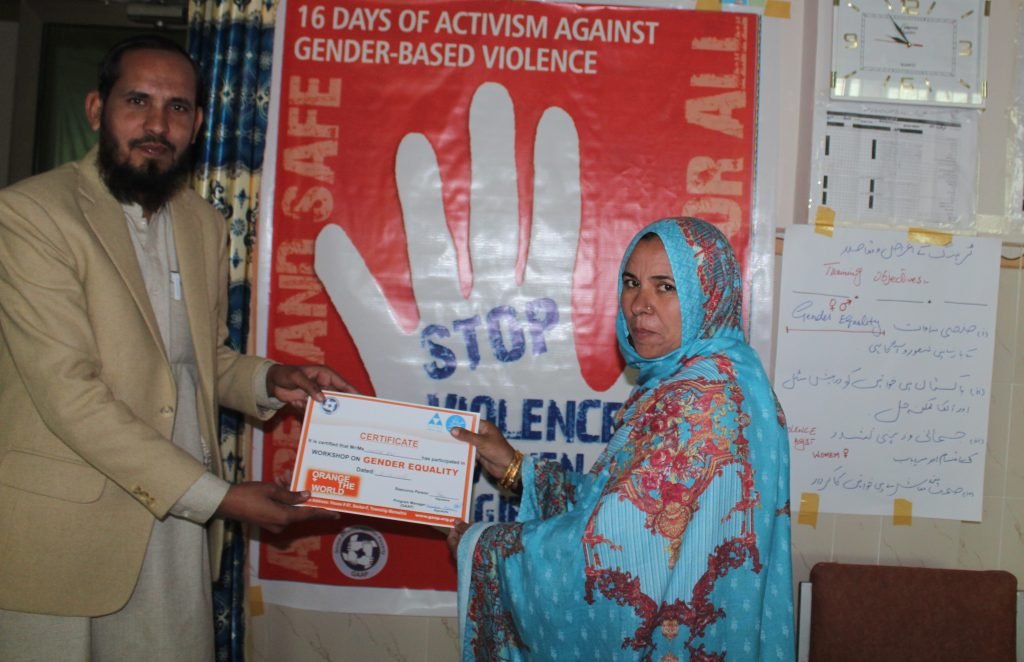
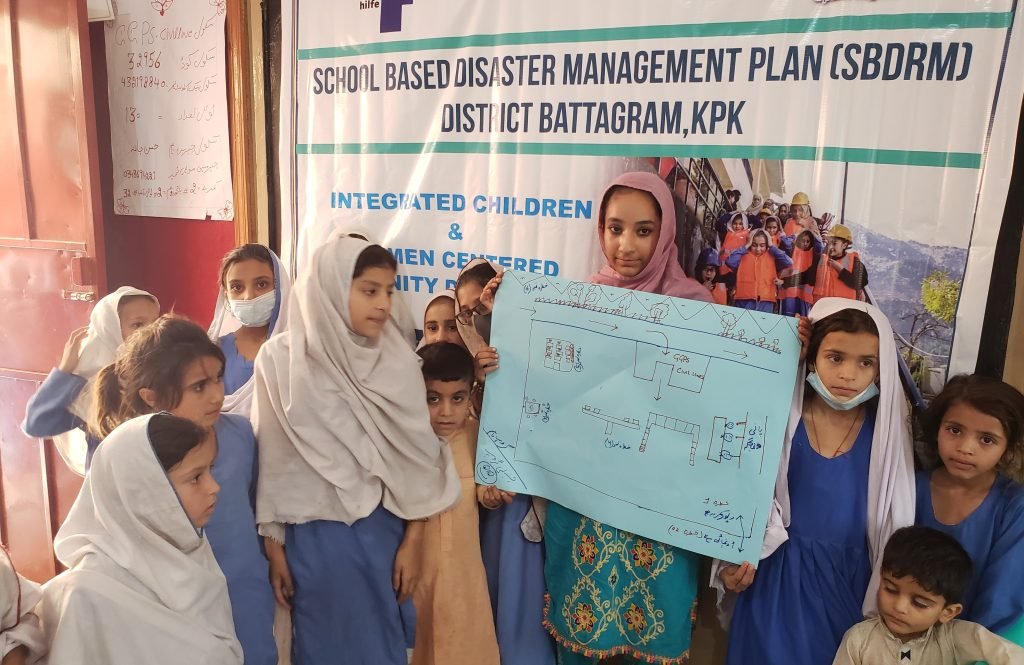
GAAP is focusing on capacity building of children and communities in Pakistan to deal with natural as well as human induced risks through awareness sessions. Evidence supports that children are the best change agents at both home and in the communities, hence they are a very good channel to pass information on to the communities. GAAP has arranged and conducted DRM, School Safety and Hygiene Practices Trainings with the financial support of its partner organizations and donors.
Moreover, we are always prepared to respond in every emergency situation through;
An estimated 22.8 million children aged 5-16 are out-of-school.
Pakistan is facing a serious challenge to ensure all children, particularly the most disadvantaged, attend, stay and learn in school. While enrollment and retention rates are improving, progress has been slow to improve education indicators in Pakistan.
Currently, Pakistan has the world’s second-highest number of out-of-school children (OOSC) with an estimated 22.8 million children aged 5-16 not attending school, representing 44 per cent of the total population in this age group. In the 5-9 age group, 5 million children are not enrolled in schools and after primary-school age, the number of OOSC doubles, with 11.4 million adolescents between the ages of 10-14 not receiving formal education. Disparities based on gender, socio-economic status, and geography are significant; in Sindh, 52 percent of the poorest children (58 percent girls) are out of school, and in Balochistan, 78 percent of girls are out of school. Nearly 10.7 million boys and 8.6 million girls are enrolled at the primary level and this drops to 3.6 million boys and 2.8 million girls at the lower secondary level.
Pakistan was the sixth country in the world to sign and ratify the Convention on the Rights of the Child, less than one year after it was adopted by the United Nations General Assembly in 1989. However, children and adolescents living in Pakistan still face acute challenges.
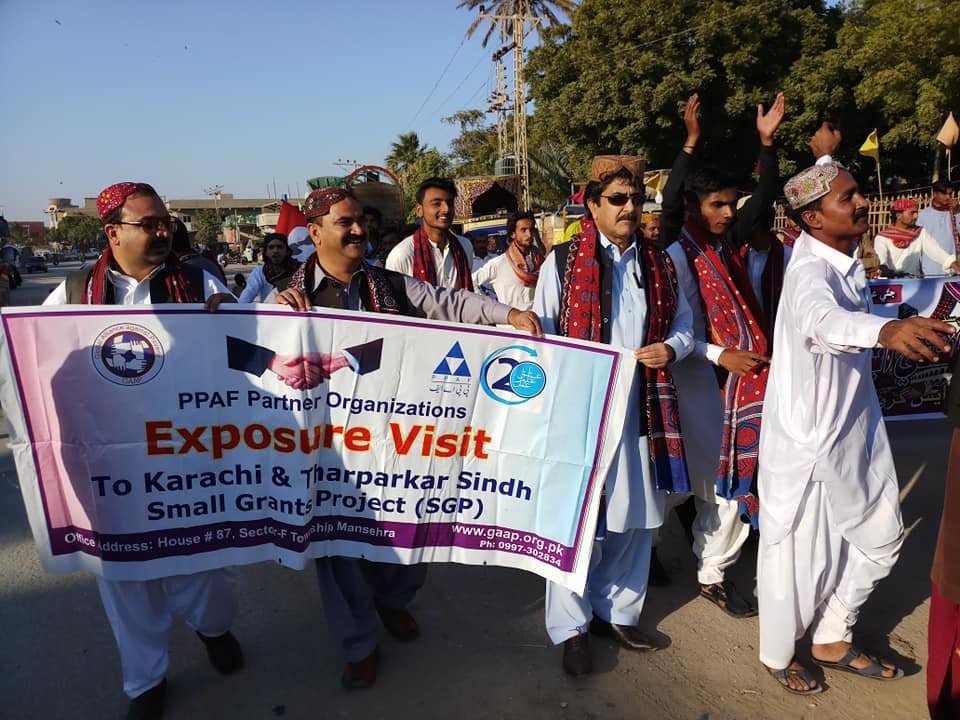
GAAP supports the local communities, line department to accelerate progress for children, work to achieve the Sustainable Development Goals (SDGs) and help children realize their rights under the Convention on the Rights of Children. This will be made through, among others things, strong partnerships with concerned authorities, teachers and health professionals, frontline workers and social mobilisers, communities and families, and of course the children and adolescents themselves.
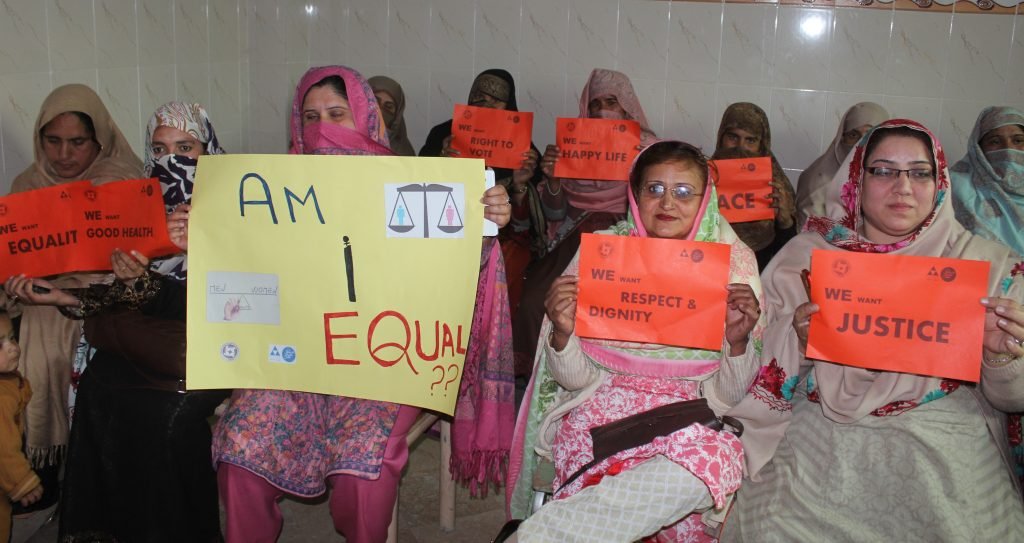
Promoting education especially girl’s education is one of the integral and integrated theme of every donor funded project of GAAP organization. In order to accelerate progress and ensure the equitable expansion of quality education for all, GAAP provide support and strive to strengthen education line departments, community institutions, teachers and PTC members and efforts to significantly reduce the number of out of school children (OOSC) at pre-primary, primary and lower secondary levels.
Our education programme is focusing on Early Childhood Education (ECE) to improve school readiness; expansion of equitable and quality alternative learning pathways (ALP) at basic education levels; and nurturing of school-community linkages to increase on-time enrolment, reduce drop-outs, and ensure completion and transition for all students. At systems levels, we are contributing to more equity-focused provincial sector planning and budgeting; strengthening data and assessment systems; and evidence-based policy advocacy.
While several models exist for ALPs, these are still scattered and limited in scale. GAAP is addressing the issue of OOSC through studies, supporting provincial sector plan development, development or review of non-formal education policy and direct programme implementation.
Socio-cultural demand-side barriers combined with economic factors together drive education deprivation for certain groups of children in Pakistan, particularly girls. These barriers are further exacerbated by a lack of parental awareness of early learning, importance of on-time enrolment, and lack of social protection schemes. GAAP is therefore focusing more closely on the obstacles to on-time enrolment, retention, completion and transition.
Equity-based investments by government continue to be the key way to ensure education systems include the most disadvantaged girls and boys. Considering insufficient and ineffective allocation of budgets, GAAP strategically engages in sector planning, to capitalize on opportunities to influence decision-making on equity issues.
GAAP’s growing technical capacity and focus on assessment of learning, and international expertise also provides an opportunity to add value to Pakistan’s efforts to improve assessment systems. System reforms help in improving accountability and evidence-based decision making. GAAP supports healthy dialogue on education budgeting and public financing, to highlight areas of improvement for better planning and improvement in the education sector.
Moreover, GAAP focus on following core activities to promote education under donor funded projects;
In particular, GAAP work for education for all and child protection so that:
Don’t miss our future updates! Get Subscribed Today!